Johnny Paycheck
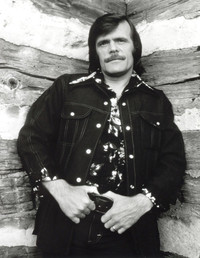
Johnny Paycheck (born Donald Eugene Lytle; May 31, 1938 – February 19, 2003) was an American country music singer and songwriter. He is a notable figure in the outlaw movement in country music.
Rising from humble beginnings in Greenfield, Ohio, Paycheck began performing in his teens and gained early recognition as a session musician and harmony vocalist for stars such as Ray Price, George Jones, and Faron Young. Adopting the stage name Johnny Paycheck in the mid-1960s, he scored several hits throughout the next decades, most notably "She's All I Got" in 1971.
Paycheck reached the peak of his fame with the 1977 blue-collar anthem "Take This Job and Shove It," written by David Allan Coe, which became a cultural phenomenon and helped solidify Paycheck's status as a defining figure of outlaw country alongside Waylon Jennings, Willie Nelson, and Merle Haggard. His career, however, was marked as much by turmoil as triumph, as he struggled with substance abuse, alcohol, spent time in prison, and was involved in multiple legal controversies, including a conviction for assault and a high-profile sexual misconduct case.
Despite these setbacks, Paycheck's legacy endures through his raw and uncompromising music, which continues to resonate with fans of traditional and outlaw country. A member of the Grand Ole Opry and the subject of tribute albums and documentaries, Paycheck remained active into the early 2000s before health complications, including emphysema and asthma, led to his death in 2003. His life and work have been recognized as emblematic of both the rebellion and the heartbreak that defined a pivotal era in American country music.
Paycheck Time
- 2015-08-03T00:00:00.000000Z
Gospel
- 2010-09-08T00:00:00.000000Z
On His Way
- 1970-01-01T00:00:00.000000Z
The Beginning
- 1970-01-01T00:00:00.000000Z
Survivor
- 1970-01-01T00:00:00.000000Z
Double Trouble
- 1980-06-24T00:00:00.000000Z
Similar Artists