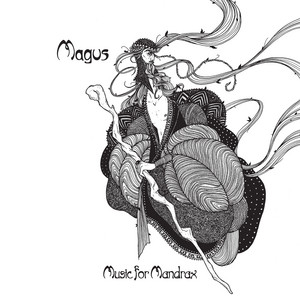
Magus
Magi (plur), or magus (sing), is the term for priests in Zoroastrianism and earlier Iranian religions. The earliest known use of the word magi is in the trilingual inscription written by Darius the Great, known as the Behistun Inscription. Old Persian texts refer to a magus as a Zurvanic, and presumably Zoroastrian, priest.
Pervasive throughout the Eastern Mediterranean and West Asia until late antiquity and beyond, mágos (μάγος) was influenced by (and eventually displaced) Greek goēs (γόης), the older word for a practitioner of magic, with a meaning expanded to include astronomy, astrology, alchemy, and other forms of esoteric knowledge. This association was in turn the product of the Hellenistic fascination for Pseudo-Zoroaster, who was perceived by the Greeks to be the Chaldean founder of the Magi and inventor of both astrology and magic, a meaning that still survives in the modern-day words "magic" and "magician".
In the Gospel of Matthew, "μάγοι" (magoi) from the east pay homage to the Christ Child, and the transliterated plural "magi" entered English from Latin in this context around 1200 AD (this particular use is also commonly rendered in English as "kings" and more often in recent times as "wise men"). The singular "magus" appears considerably later, when it was borrowed from Old French in the late 14th century with the meaning magician.
Hereditary Zoroastrian priesthood has survived in India and Iran. They are termed Herbad, Mobad (Magupat, i.e. chief of the Maga), and Dastur depending on the rank.
Exodus
- 2026-02-20T00:00:00.000000Z
Similar Artists